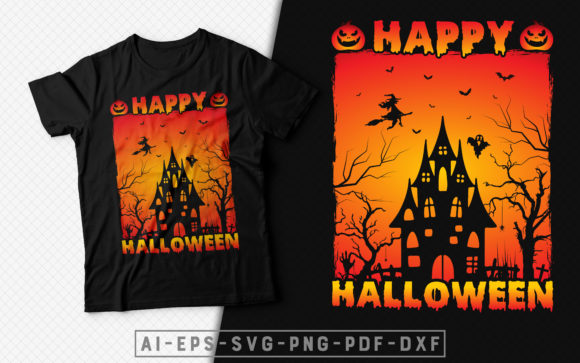
Reviewing the Happy Halloween T-shirt Design Graphic
As a designer who has spent countless hours digitizing patterns and testing them on various fabrics, I approach every new Happy Halloween T-shirt Design Graphic with a mix of curiosity and caution. We all know that what looks crisp on a computer screen does not always translate seamlessly to thread and fabric. When I first opened the files for this particular design, my immediate goal was to determine if it held up under the scrutiny of real-world embroidery. This is not just about aesthetics; it is about functionality, durability, and the final perceived value of the finished product.
First Impressions and Visual Personality
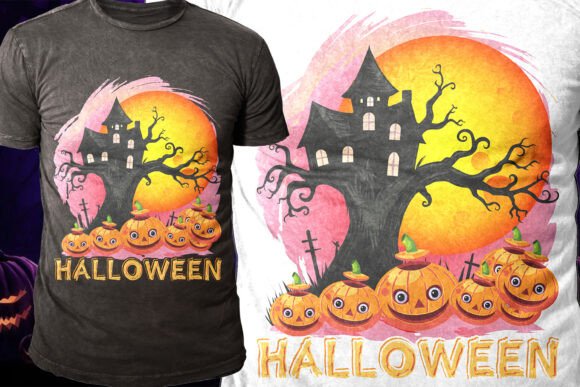
The initial download provided a standard suite of vector and raster files: AI, EPS, SVG, and PNG. For those of us working in T-Shirt Designs and broader Graphics categories, having these formats is essential for versatility. However, my focus here is strictly on how this graphic performs when converted into a machine embroidery design. The visual personality of this piece is playful yet classic, capturing the whimsical side of the holiday rather than the terrifying. This makes it incredibly versatile for a wide demographic, from children’s apparel to adult novelty wear.
The layout appears balanced, which is crucial for maintaining structural integrity during stitching. A common pitfall in seasonal embroidery file selections is overly complex detailing that results in thread breaks or puckering. From a reviewer’s standpoint, the clean lines suggest that this design would likely rely on a combination of satin stitch borders and manageable fill stitch areas. This balance is key to ensuring the design remains flexible enough for wearable items without becoming stiff or board-like.
Real-World Application: The Sweatshirt Test
To truly evaluate the potential of this Happy Halloween T-shirt Design Graphic, I imagined a specific client scenario. A local boutique owner wanted to create a limited run of personalized hoodies for October. She needed a design that was recognizable but not so dense that it would weigh down the fleece. This is where the practicality of the design comes into play.
If I were digitizing this specifically for a heavy cotton sweatshirt, I would pay close attention to stitch density. While the provided files are vectors and images, the end-user must ensure their chosen digitizer or pre-made digital embroidery file accounts for the nap of the fabric. For a project like this, the graphic’s open spaces are a blessing. They allow the texture of the sweatshirt to show through, preventing the "plastic" look that often plagues cheap custom apparel. The result is a handmade product that feels premium and thoughtful, rather than mass-produced.
Adapting for Smaller Items and Accessories
Beyond apparel, this graphic shines in the realm of accessories. Consider a tote bag design for a trick-or-treat run. Canvas bags have a tight weave that handles embroidery beautifully. The bold shapes in this Halloween graphic would stand out sharply against natural linen or dyed canvas. Similarly, an embroidered patch created from this design could be a bestseller for Etsy sellers. Patches require high contrast and clear outlines, both of which this design seems to offer inherently.
However, caution is advised when scaling down. If you plan to use this on baby embroidery projects, such as a onesie or a small bib, you must verify the minimum size requirements. Tiny details can get lost or become tangled in small hoops. Always test the design on scrap fabric of the same weight and type as your final product. This step is non-negotiable for professional craft business owners who value consistency and quality control.
Fabric Considerations and Technical Challenges
One of the most critical aspects of using any Graphics asset for embroidery is understanding how it interacts with different textiles. This Happy Halloween T-shirt Design Graphic features elements that may require careful handling on stretchy fabrics. Knit t-shirts, for example, are prone to distortion if the stabilizer is not chosen correctly. A cut-away stabilizer is generally recommended for garments that will be washed frequently, ensuring the design retains its shape over time.
Dark fabrics present another challenge. If you are stitching this on black or navy material, you must consider thread color contrast. While the design itself is strong, the visibility depends entirely on your thread choice. Bright oranges, purples, and greens will pop, but muted tones might get lost. I always recommend creating a printable mockup or doing a physical test stitch on dark fabric before committing to a full production run. This saves both time and materials, protecting your profit margins as a small shop product creator.
Commercial Viability and Brand Consistency
For commercial embroidery professionals, the licensing terms are paramount. Since this purchase includes a digital download only, it is vital to confirm whether the license allows for the sale of finished physical goods. Most designers permit this, but restrictions on reselling the digital file itself are standard. Assuming the license permits commercial use of the stitched output, this design is a strong candidate for seasonal collections. It fits well within the aesthetic of modern holiday embroidery trends, which favor cute and quirky over grotesque.
Using consistent design assets like this helps build brand recognition. If your shop specializes in holiday-themed personalized gifts, having a cohesive look across your products—from aprons to pillow covers—creates a professional image. Customers trust brands that appear organized and deliberate in their design choices. This graphic, with its clean lines and thematic clarity, supports that level of professionalism.
Practical Designer Notes for Best Results
Before you load this into your machine, keep these practical tips in mind to ensure the best outcome for your embroidery project:
- Check Stitch Direction: If you are digitizing this from the provided SVG or AI files, ensure that satin columns follow the natural curve of the shapes to reduce thread tension issues.
- Stabilizer Selection: Match your stabilizer to your fabric. Use tear-away for stable woven fabrics like towels and cut-away for knits and stretchy materials.
- Thread Quality: High-quality polyester or rayon threads will enhance the sheen and durability of the design, especially for items like sweatshirt embroidery that undergo frequent washing.
- Hoop Size: Confirm that your hoop size accommodates the full design without needing to re-hoop, which can lead to alignment errors.
- Test on Scraps: Never skip the test stitch. It reveals issues with tension, density, and fabric compatibility before they ruin a final product.
In conclusion, the Happy Halloween T-shirt Design Graphic offers a solid foundation for a variety of creative endeavors. Whether you are an experienced Etsy seller looking to expand your autumn catalog or a hobbyist making holiday gifts for friends, this design provides the flexibility and visual appeal needed for successful execution. By paying attention to fabric choice, stabilizer type, and stitch density, you can transform this digital asset into a tangible, high-quality item that delights customers and enhances your brand’s reputation.