Reviewing the Home is Where My Dog Is Design
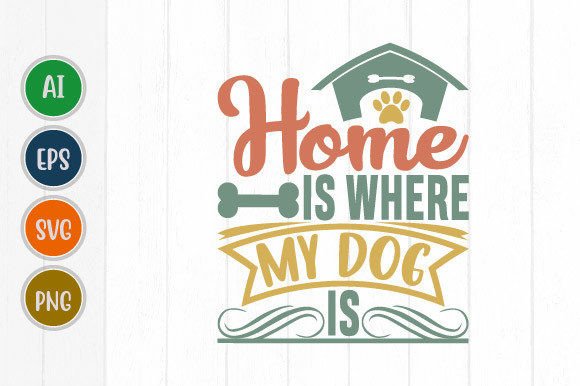
As a designer who spends more time staring at stitch simulations than actual fabric, I have learned that not every cute graphic translates well to thread. We see thousands of T-Shirt Designs and digital assets flood the market weekly, but only a fraction hold up under the needle. Recently, I pulled the Home is Where My Dog is, Dog Graphic Svg into my workspace to evaluate its potential for real-world application. This isn’t just about whether the lines look clean on a screen; it is about how this specific asset behaves when translated into a tangible, stitched product.
First Impressions: Mood and Visual Personality
The first thing that strikes you about the Home is Where My Dog is, Dog Graphic Svg is its warmth. It captures that specific, cozy sentiment reserved for pet owners who consider their animals family members rather than just companions. The layout balances typography with graphical elements in a way that feels organic rather than forced. For an embroidery project, this balance is critical. If the text overwhelms the graphic, the design loses its charm. If the graphic is too complex, the stitching becomes muddy.
In terms of visual personality, this design leans towards the rustic and heartfelt. It does not scream for attention with neon colors or aggressive shapes. Instead, it invites a closer look. This makes it an ideal candidate for products where comfort and emotion are the selling points. When I visualize this as a finished product, I do not see it on a high-performance athletic jersey. I see it on soft, lived-in fabrics. The mood dictates the medium, and here, the medium should be comforting.
Real-World Application: From Screen to Stitch
To truly test the viability of any machine embroidery design, you must imagine it in a specific context. I recently worked on a custom order for a local boutique specializing in personalized home goods. The client wanted a series of tote bags for a spring collection. The Home is Where My Dog is, Dog Graphic Svg was a top contender for this tote bag design.
Why did it work? The scale was appropriate. A tote bag offers a generous canvas, allowing the design to breathe. When digitizing or preparing such a file, one must consider the stitch density. If the design is too dense, the fabric puckers. If it is too sparse, the backing shows through. Based on the vector nature of the included AI and EPS files, I could easily adjust the size to fit a standard 5x7 or 6x10 hoop without losing clarity. This flexibility is crucial for a craft business owner who needs to maximize material usage while maintaining quality.
Beyond tote bags, this design shines in sweatshirt embroidery. Imagine a heather grey crewneck with this graphic stitched in cream and brown threads. The texture of the fleece complements the softness of the message. It transforms a basic garment into a personalized gift that feels thoughtful and high-end. For an Etsy seller, this kind of versatility is gold. You can market the same digital asset across multiple product lines, from apparel to home decor.
Navigating Technical Challenges
However, enthusiasm must be tempered with technical caution. Not every surface is friendly to this type of Graphics heavy design. I would advise against using this on thin, stretchy fabrics like lightweight rayon or cheap polyester blends without significant stabilization. The weight of the stitches can distort the fabric, causing the text to warp. Always use a cut-away stabilizer for garments that will be washed frequently, such as t-shirts or baby clothes.
Speaking of baby embroidery, while the sentiment is sweet, one must be careful with placement and thread choice. Babies have sensitive skin. If you choose to stitch this on a onesie or blanket, ensure that the back of the stitching is covered or that you use a soft, non-irritating backing. Additionally, avoid placing large, dense areas of fill stitch directly against delicate skin. A running stitch outline or lighter density might be safer for infant items.
Another challenge arises with curved surfaces, such as caps. While an embroidered patch featuring this design could work beautifully on a dad hat, stitching it directly onto a structured cap requires precise hooping. The curvature can distort the perspective of the text. I recommend creating a mockup or testing on scrap fabric shaped similarly to the cap’s crown before committing to the final product. This saves both time and expensive blanks.
Enhancing Product Value and Brand Consistency
From a business perspective, the Home is Where My Dog is, Dog Graphic Svg adds value through emotional connection. Customers are not just buying a shirt or a towel; they are buying an expression of their identity. When a design resonates personally, the perceived value increases. This allows small shop owners to command higher prices for their handmade product offerings.
Consistency is key. If your brand focuses on rustic, farmhouse, or pet-loving aesthetics, this design fits seamlessly. It reinforces your brand narrative. However, if your brand is modern, minimalist, or industrial, this design might clash. Always consider whether the asset aligns with your overall visual identity. Using mismatched designs can confuse customers and dilute brand recognition.
For those creating printable mockup listings, the high-quality PNG included in the package is a significant advantage. A crisp, transparent background allows for realistic previews on various colored fabrics. This helps customers visualize the final result, reducing hesitation and potentially lowering return rates. A good mockup can be the difference between a scroll-past and a sale.
Practical Notes for the Embroidery Designer
Before you load this digital embroidery file into your machine, take a moment to review the technical specifics. The package includes AI, EPS, SVG, and PNG formats. This is excellent for versatility. The vector files (AI and EPS) allow you to resize the design infinitely without pixelation, which is essential for adjusting to different hoop size constraints. However, remember that resizing affects stitch count and density if you are digitizing it yourself or using auto-digitizing software.
- Test on Scrap Fabric: Never skip this step. Check how the thread colors interact with your chosen fabric. Contrast is vital for readability, especially with smaller text elements.
- Check Stitch Density: If the design feels stiff after stitching, reduce the density or switch to a lighter weight thread.
- Inspect Small Details: Zoom in on the vector file. Are there tiny anchor points or unnecessary nodes that could cause thread breaks? Clean up the file if necessary.
- Verify Licensing: The description mentions commercial use potential, but always confirm the specific license terms. Can you sell the finished physical item? Can you resell the digital file? Clarity here protects your business.
- Consider Fabric Texture: On textured fabrics like linen or toweling, a satin stitch border might get lost. Consider using a wider stitch or a different color to define the edges.
Final Verdict for Craft Entrepreneurs
The Home is Where My Dog is, Dog Graphic Svg is a strong addition to any designer’s library, particularly for those focusing on pet-themed or home-centric niches. It performs well in commercial embroidery settings when paired with the right materials and proper stabilization. It is not a one-size-fits-all solution, but with careful execution, it can elevate a simple blank into a cherished keepsake.
For the small shop product lineup, this design offers reliability. It is recognizable, emotionally resonant, and technically manageable. Whether you are creating holiday embroidery gifts for December sales or everyday custom apparel for your online store, this asset holds up. Just remember to respect the material, mind the mechanics, and let the sentiment shine through the stitches.